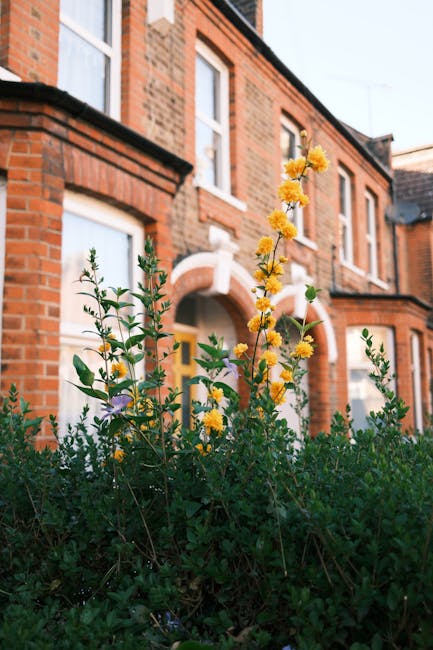
Avoid common gardener mistakes in East Ham front gardens: a practical local guide
Front gardens in East Ham have a job to do. They need to look welcoming, cope with London weather, stay manageable, and still feel like part of the home rather than a spare patch of soil. That sounds simple until the usual slip-ups start creeping in: planting the wrong shrubs, forgetting drainage, letting hedges run wild, or building a layout that looks tidy for two weeks and then falls apart.
This guide shows you how to avoid common gardener mistakes in East Ham front gardens without overcomplicating the process. You will get a clear breakdown of what goes wrong, why it matters, how to fix it, and what to do differently if you want a front garden that stays smart through the seasons. A lot of the advice here is practical, local, and based on what actually tends to fail in real front gardens. No fluff. No magic tricks.
Why avoiding these mistakes matters
Front gardens are different from back gardens. They are more visible, often smaller, and usually exposed to more traffic, weather, and footfall. In East Ham, that can mean roadside dust, patchy shade from neighbouring houses, wind funnelling between properties, and soil that gets compacted faster than you expect. If you design or maintain the space as though it were a quiet rear courtyard, you can end up with constant repairs and a garden that never quite settles.
There is also the first impression factor. A front garden sets the tone before anyone reaches the front door. It can make a property feel cared for, lighter, and better organised. Or it can look untidy, overgrown, and strangely difficult to keep on top of. Let's face it, people notice. You notice too, every time you walk past it with the recycling.
More importantly, mistakes in front gardens are usually expensive in time rather than money. A poor plant choice, for example, might survive for a season and then need replacing. A bad hedge decision can create years of trimming headaches. A weak surface solution may turn into slippery moss, soil runoff, or a muddy entrance every time it rains. Those little annoyances add up quickly.
If your front garden feels awkward, sparse, or messy no matter how much effort you put in, the problem is usually not effort. It is planning. That is the good news, because planning is fixable.
How avoiding common gardener mistakes works
The basic idea is straightforward: start with the site conditions, not the dream photo in your head. Front gardens in East Ham tend to respond best when you match planting, access, and maintenance to real-world conditions. That means looking at light levels, wind exposure, soil quality, the width of the space, drainage, and how the garden is used day to day.
A good front-garden plan works in layers:
- Structure: paths, edging, borders, hedges, fencing, or hard landscaping.
- Function: access to the house, bins, bikes, prams, and safe movement.
- Planting: shrubs, evergreens, seasonal planting, and ground cover chosen for the site.
- Maintenance: what will need pruning, mowing, weeding, watering, or clearing.
When those layers fit together, the garden becomes easier to keep neat. When they do not, the problems show up fast. For instance, tall planting squeezed beside a narrow path will quickly feel cramped. A decorative border without proper edging will bleed soil onto paving. A lawn in heavy shade may thin out and become a mossy patch. Small spaces are less forgiving, but they can be brilliant if designed with care.
One useful way to think about it is this: every feature in a front garden should earn its place. If it does not add structure, beauty, privacy, or ease of care, ask whether it really belongs there. Harsh? Maybe. Effective? Absolutely.
If you are considering a larger refresh, it may help to read about a garden service in East Ham E6 that can help with planning and ongoing upkeep.
Key benefits and practical advantages
When you avoid the usual mistakes, the payoff is not just a nicer view from the street. You also get a front garden that is calmer to manage and less likely to become one of those nagging weekend jobs that never seems finished.
- Lower maintenance: fewer plants failing, fewer awkward trims, fewer emergency fixes.
- Better curb appeal: cleaner lines, healthier planting, and a more balanced look.
- Safer access: less slipping, less clutter, and clearer movement to the door.
- Better resilience: plants and materials suited to East Ham's changing conditions.
- Smarter spending: fewer replacements and less waste over time.
There is a quieter benefit too: confidence. When a front garden is designed properly, you stop second-guessing every decision. You know what needs doing, when it needs doing, and what can be left alone for a while. That alone is worth a lot. Gardening should not feel like permanent catch-up.
Expert summary: The best front gardens are rarely the most elaborate. They are the ones that suit the site, respect the house, and stay manageable through ordinary life. If it looks good only on day one, it is not yet a good design.
Who this is for and when it makes sense
This guide is for anyone dealing with a front garden that is either underperforming or becoming harder to manage than it should be. That includes homeowners, landlords, busy families, older residents who want easier upkeep, and people preparing a property for sale or rental.
It also makes sense if you are at any of these stages:
- Your front garden has become patchy, weedy, or awkwardly overgrown.
- You are starting from scratch and want to avoid expensive rework.
- You want privacy, but you do not want a bunker-like feel.
- You need low-maintenance planting because time is limited.
- You have pets, children, bikes, or bins to accommodate.
- You suspect the space is too shaded, too windy, or too cramped for your current plan.
To be fair, a lot of people only think about the front garden when it starts causing irritation. A hedge blocks the path. A shrub swallows the window. A lawn becomes more moss than grass. That is usually the moment to step back and reassess.
If the space has been neglected for a while, a staged approach often works best. You may find ideas in this neglected-plot makeover guide, especially if your front garden needs more than a light tidy.
Step-by-step guidance
Here is a practical way to tackle an East Ham front garden without getting tangled up in the details.
- Start with a proper site check. Note sun, shade, wind, drainage, soil texture, and how people move through the space. Stand there in the morning and again later in the day if you can. The light changes more than you might expect.
- Decide what the garden must do. Privacy? A neat entrance? Low maintenance? Wheelchair or pushchair access? A container display? You cannot optimise for everything at once, so choose the priorities first.
- Remove the obvious problems. Cut back dead growth, clear weeds, deal with ivy if it is running wild, and fix anything unsafe or loose. It is much easier to design on a clean slate.
- Set the structure before planting. Define paths, edges, borders, screening, and any hard surfaces. Good structure prevents the garden from looking blurry and overfilled.
- Choose plants that fit the conditions. In shaded or windy spots, choose accordingly. If the front garden is narrow, avoid big-bodied shrubs that will crowd the route within a year or two.
- Plan for maintenance from the start. Ask yourself honestly: will you trim this hedge, deadhead these plants, or water this bed regularly? If not, pick something easier.
- Finish with details that hold the design together. Mulch, edging, container grouping, lighting, and a small focal point can make a modest space feel polished.
A small front garden can be transformed by one good decision. Equally, one bad decision can dominate the whole thing. That is why the sequence matters so much.
If you want practical ideas for the maintenance side, it is worth looking at regular garden maintenance and, where lawns are involved, lawn care so the space does not slip back into chaos after the first tidy-up.
Expert tips for better results
Some tips sound obvious until you realise how often they are ignored. These are the ones that matter most in East Ham front gardens.
Use scale honestly
Small front gardens need restraint. A single strong shrub, a simple hedge, or a compact planting scheme often beats a crowded mix of too many features. The eye needs space to rest. Otherwise the whole space feels busier than it is.
Think in layers, not one-off features
Rather than asking, "What plant should I buy?", ask "What role does this part of the garden play?" A hedge can frame the space, a low border can soften the path, and containers can add seasonal interest near the door. That is a stronger approach than buying random plants on impulse on a Saturday afternoon.
Choose maintenance levels honestly
There is no shame in wanting a garden that looks good without much fuss. In fact, that is often the wisest choice. A lot of front-garden disappointment comes from choosing high-maintenance plants and then resenting them later. This is why many people now lean towards designs with a stylish low-maintenance feel.
Use evergreen structure where possible
Evergreens keep a front garden looking alive in winter, when deciduous planting can disappear into bare stems and puddles. In mixed light, it helps to choose plants that can cope with shade rather than fighting it. If your front area is not blessed with much sun, a look at evergreens in shade can give you useful direction.
Keep hedge lines disciplined
A hedge is one of the neatest ways to frame a front garden, but only if it is trimmed consistently. The mistake is to let it grow, then attack it all at once. That usually creates a lumpy shape and a week of regret. Better to keep it under control with regular shaping, or use a service such as hedge trimming in East Ham when the job starts to get unwieldy.
Build for weather, not against it
Wind, rain, and winter exposure all matter. If the front of your property gets blasted, a sheltering hedge, well-placed screen, or tougher planting palette will save time and money later. If this sounds familiar, the article on wind protection for your garden is a good companion read.
And one small truth: the best-looking front gardens are usually the ones with less going on than you first wanted. Not empty. Just calm.
Common mistakes to avoid
This is the section that saves money. A lot of money, sometimes. Here are the errors that show up again and again in front gardens.
1. Choosing plants for appearance only
That lovely plant at the garden centre may look perfect in the pot. But if it hates shade, dislikes exposure, or needs constant pruning, it can become a problem fast. Match plants to the site, not just the mood.
2. Ignoring drainage
Front gardens often suffer from compacted soil and water pooling near paths or steps. If drainage is poor, roots struggle and paving can become slippery. A design that looks fine in dry weather may become messy after the first spell of rain. Very annoying. Very avoidable.
3. Planting too close to the house or path
People underestimate how wide a mature shrub can become. What looks neat on day one can block windows, crowd doorways, or force you into awkward pruning later. Leave breathing room. The garden needs it, and so do you.
4. Using the wrong amount of lawn
In small front gardens, lawns can be more trouble than they are worth, especially if they are shaded, narrow, or heavily used. A tiny lawn can end up looking thin and tired. If you want a neat green look, alternatives like containers, ground cover, gravel, or planting pockets may work better. If lawn issues are already showing, a focused lawn mowing East Ham routine may help, but sometimes the better fix is redesign rather than more cutting.
5. Letting hedges become oversized
Oversized hedges can swallow light, make entrances feel narrow, and create a blocky look that suits almost no front garden. A hedge should frame, not dominate. This is one of the most common mistakes in East Ham front gardens because people start with a tidy idea and end with a green wall.
6. Overfilling borders
It is tempting to squeeze in one more shrub, one more perennial, one more pot. Then suddenly the space has no definition. Overcrowding makes weeding harder, reduces airflow, and invites disease. A little emptiness can be a good thing. Really.
7. Forgetting the practical stuff
Bins still need access. Doors need room to open. Deliveries happen. Prams, bikes, and wet shoes are part of real life. A front garden that ignores daily use may look lovely in a photo but frustrating in practice.
8. Neglecting weeds and ivy early
Weeds and ivy are easiest to handle when they are small. Leave them long enough and they start claiming territory, creeping into edges and under paving. If ivy is already becoming a problem, this guide on winning the battle against ivy is worth a look.
9. Using poor edging
Without clear edging, soil spills, grass creeps, and borders blur. A front garden with crisp edges looks cleaner even when planting is simple. It is one of those details people notice without knowing why.
10. Designing without winter in mind
Many gardens look fine in May and a bit flat by January. Front gardens need year-round interest because they are visible in all seasons. Winter structure, evergreen forms, and tidy hard landscaping matter more than many people think.
Tools, resources and recommendations
You do not need every gadget going, but the right tools make front-garden work far easier. A sensible kit helps with repeat tasks and stops minor maintenance turning into a half-day battle.
Useful basics include:
- Sharp secateurs for clean pruning cuts
- Long-handled shears for hedges and shaped shrubs
- Spade and border fork for soil work
- Weeding tools for cracks, edges, and tight spaces
- Gloves that actually fit properly, which is surprisingly rare
- Watering can or hose setup for containers and young plants
- Mulch or compost to improve soil and reduce evaporation
For a broader tool checklist, the article on essential gardening tools is a sensible place to start. If your project is bigger than a tidy-up, landscaping support may be the easier route, especially where levels, paths, or layout changes are involved.
Compost is often overlooked too. Healthy soil makes almost everything else simpler, and the guidance on turning organic waste into fertile compost is helpful if you want to improve the ground rather than keep replacing plants that struggle in it.
If your front garden needs a full reset, it may be worth checking how to approach a neglected plot before you start buying materials.
Law, compliance, standards and best practice
Front gardens usually do not involve complicated legal issues, but there are still a few sensible rules and expectations to keep in mind. Good practice matters because the space is close to pavements, neighbours, and public sightlines.
Here are the main points to think about:
- Safe access: paths, steps, and entrances should remain usable and free from trip hazards.
- Boundary respect: overhanging planting, roots, and hedges should be managed without encroaching on neighbouring property.
- Visibility: if planting or fencing affects sightlines near a driveway or corner, think carefully before making it taller or denser.
- Waste handling: green waste should be managed responsibly, and not dumped where it can block drains or walkways.
- Work safety: use appropriate tools and follow common-sense precautions when pruning, lifting, or using ladders.
For homeowners arranging work with a contractor, it is also sensible to look at business standards around insurance, payment, and safety. A reputable provider should be able to explain how it works in plain language. Pages such as insurance and safety, health and safety policy, and terms and conditions are useful references when you want to understand expectations before work starts.
If you are getting quotes, it also helps to compare scope, not just price. A cheap quote that skips pruning, waste removal, or tidy-up work can become expensive in the long run. The same goes for pricing and quotes generally: ask what is included, and what is not. That one question saves a lot of awkwardness.
Options, methods and comparison table
There is no single "right" way to manage a front garden. The best choice depends on space, light, maintenance capacity, and the look you want. Here is a simple comparison to help.
| Approach | Best for | Advantages | Possible drawbacks |
|---|---|---|---|
| Traditional lawn with borders | Brighter spaces with enough room | Classic look, familiar upkeep | Can struggle in shade or narrow plots |
| Evergreen hedge and structured planting | Privacy and year-round presence | Strong shape, good screening | Needs regular trimming |
| Container-led design | Small or awkward front gardens | Flexible, seasonal, easier to refresh | Watering is more frequent |
| Low-maintenance mixed beds | Busy households and modest budgets | Less mowing, less fuss, good texture | Requires good initial planning |
| Hard landscaping with planting pockets | Very small or exposed spaces | Durable, tidy, useful access | Can feel stark if planting is too sparse |
In smaller East Ham front gardens, container-led or low-maintenance mixed beds often strike the best balance. They are easier to adapt if something fails, and they do not lock you into one style forever. That flexibility matters more than people realise.
If privacy is part of the brief, take a look at hedges that speed up your quest for privacy. If colour and texture in confined spaces is more your thing, vertical gardening ideas can be surprisingly useful in front settings too.
Case study or real-world example
A typical East Ham front garden might start as a narrow strip with a tired patch of grass, a hedge that has drifted too high, and a few mixed plants that are either outgrowing the space or not thriving. Nothing dramatic. Just a garden that feels a little defeated.
In one common scenario, the fix begins with reduction rather than addition. The hedge is brought back to a manageable height, the lawn is removed where it is too shaded to succeed, and the space is reworked with a pair of evergreen shrubs, a gravel or mulched border, and two or three sturdy containers by the entrance. Suddenly the whole front looks more intentional. The path is clearer. The garden reads as tidy from the street. Maintenance drops because there is less to cut, water, and rescue.
The interesting part is that the garden often feels larger afterwards, even though nothing has been physically enlarged. That is the power of removing mistakes. Space opens up when clutter goes.
For slightly neglected spaces, a light refresh often creates faster progress than a grand overhaul. But if the garden has become deeply overgrown, the best first move is usually a proper reset and a phased plan. That is where a structured approach, rather than guesswork, makes all the difference.
Practical checklist
Use this quick checklist before you plant, prune, or redesign:
- Have I checked light, shade, wind, and drainage?
- Do I know exactly what the front garden needs to do?
- Are paths and entrances easy to use?
- Have I chosen plants that suit the site, not just the look?
- Will the shrubs, hedge, or trees stay manageable at maturity?
- Is there enough room for growth without crowding?
- Have I planned for weeding, watering, and pruning?
- Are the edges, borders, and surfaces clearly defined?
- Will the garden still look acceptable in winter?
- Have I allowed enough budget for proper finishing, not just planting?
If you can answer yes to most of those, you are already ahead of the usual mistakes. If not, that is fine too. Better to catch it now than after the first planting season.
Conclusion
Front gardens in East Ham do not need to be elaborate to work well. They need to be honest about the space, sensible about maintenance, and designed with the weather, the house, and everyday use in mind. The biggest mistakes usually happen when people start with style and forget structure, or start with plants and forget how the garden will live through the year.
Once you shift the focus to practical planning, the whole process gets easier. You choose fewer things, but better things. You keep the lines cleaner. You leave room for growth. And you stop fighting the garden every few weeks.
That is the real win: a front garden that quietly does its job, looks good without drama, and feels like part of the home rather than a constant project. Nice, steady, no fuss. In the long run, that is what most of us want.
If you want help turning a troublesome front space into something tidy, resilient, and easy to live with, take the next step and explore the local support available.
Get a free quote today and see how much you can save.
Frequently asked questions
What are the most common gardener mistakes in East Ham front gardens?
The most common mistakes are choosing plants that do not suit the light or wind, overcrowding borders, ignoring drainage, letting hedges become too large, and designing without thinking about access or maintenance.
How do I make a small front garden look bigger?
Use clean lines, fewer but stronger plants, clear edging, and lighter visual weight. Avoid cramming too much into the space. A tidy structure usually makes a small garden feel more open straight away.
Is a lawn a good idea in a front garden?
Sometimes, but not always. In narrow, shaded, or high-traffic spaces, lawns can become patchy and difficult to maintain. Many front gardens work better with mixed planting, containers, or low-maintenance surfaces.
What plants work best in shaded front gardens?
Choose shade-tolerant evergreens, hardy shrubs, and plants that do not rely on full sun to perform. The key is to match the plant to the actual conditions, not the label photo.
How often should a front hedge be trimmed?
It depends on the hedge type and growth rate, but regular trimming is usually better than heavy cuts done infrequently. A smaller, steady trim helps maintain shape and avoids the hedge becoming too dominant.
Can I improve my front garden on a budget?
Yes. Prioritise structure, clear edges, and a few reliable plants rather than buying lots of new items at once. Reusing healthy plants, improving soil, and adding mulch can go a long way.
What should I do first if my front garden is neglected?
Start by clearing weeds, removing dead growth, and assessing what can stay. Then decide whether the space needs a light tidy-up or a fuller makeover. A phased approach is usually less stressful and cheaper.
How do I stop my front garden becoming too high-maintenance?
Choose hardy planting, limit the number of different plant types, avoid thirsty or fussy species, and build in simple maintenance routines. The less complicated the design, the easier it is to keep under control.
Do I need to think about drainage in a front garden?
Yes, absolutely. Poor drainage can lead to water pooling, slippery surfaces, weak planting, and long-term soil issues. It is one of the first things worth checking before any redesign.
What is the best way to add privacy without making the garden feel closed in?
Use layered planting, medium-height screening, or carefully chosen hedges rather than solid barriers everywhere. The aim is privacy with light, not a boxed-in look.
When should I call in a professional gardener?
If the space is overgrown, the hedge is out of control, the layout needs rethinking, or you simply do not have the time to maintain it properly, professional help is usually the sensible move. A good local gardener can spot problems early and save you a lot of trial and error.
What services are most useful for front gardens?
For many front gardens, the most useful services are hedge trimming, garden maintenance, lawn care, landscaping, and sometimes fencing or tree work if the boundaries or canopy are affecting the space.
How do I keep my front garden looking good in winter?
Focus on evergreen structure, tidy edges, mulched borders, and plants that keep their form through colder months. Winter is where the strongest front-garden designs quietly prove themselves.
Is it worth redesigning the whole front garden or just fixing the worst parts?
If the structure is fundamentally wrong, a partial fix can feel temporary. If the layout is broadly fine, targeted improvements may be enough. It usually comes down to whether the main problem is planting, maintenance, or the layout itself.