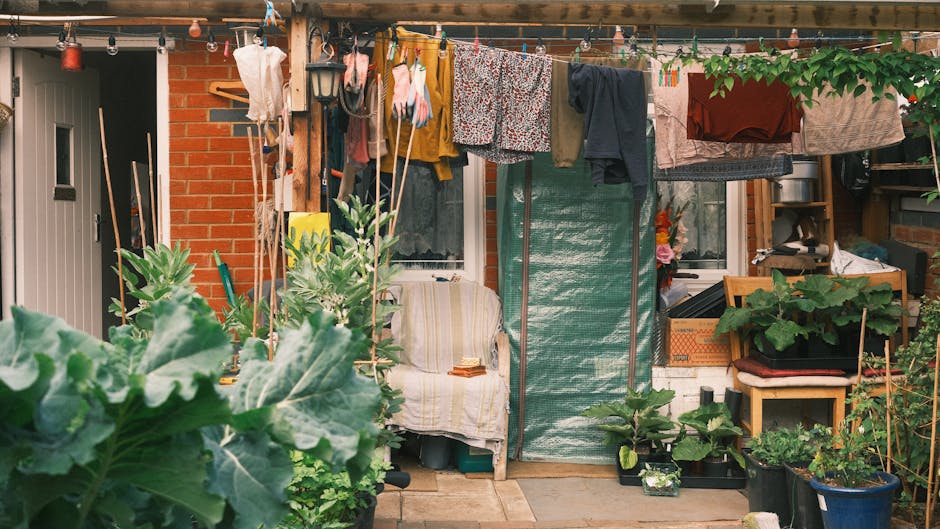
East Ham gardeners real cost guide E6: what you can expect to pay and why
If you are trying to work out the East Ham gardeners real cost guide E6, you are probably past the "quick guess" stage. You want a fair idea of what garden work should cost, what changes the price, and how to avoid paying over the odds. Fair enough. In East Ham, a small front garden trim is one thing; a neglected back garden with brambles, ivy, patchy lawn and a heavy green waste load is quite another.
This guide breaks the topic down in plain English. You will see the main pricing drivers, the kinds of tasks gardeners are usually asked to handle, what a quote should include, and where homeowners often overspend without realising it. We will also cover the difference between one-off and regular maintenance, plus a few practical ways to keep the work efficient. If you are comparing options, the pages on pricing and quotes and gardening service in East Ham E6 are useful next stops.
Let's face it: garden costs are rarely just about the time spent with a mower or hedge trimmer. Access, waste, overgrowth, safety, season, and even the condition of the soil can all nudge the figure up or down. Once you know what really drives cost, it becomes much easier to choose the right service for the right job.
Table of Contents
- Why East Ham gardeners real cost guide E6 Matters
- How East Ham gardeners real cost guide E6 Works
- Key Benefits and Practical Advantages
- Who This Is For and When It Makes Sense
- Step-by-Step Guidance
- Expert Tips for Better Results
- Common Mistakes to Avoid
- Tools, Resources and Recommendations
- Law, Compliance, Standards, or Best Practice
- Options, Methods, or Comparison Table
- Case Study or Real-World Example
- Practical Checklist
- Conclusion
- Frequently Asked Questions
Why East Ham gardeners real cost guide E6 Matters
Garden work sounds simple until you price it properly. A lot of people assume a gardener just turns up, cuts things back, and leaves. In reality, the job can involve planning, moving materials, cutting safely, disposing of green waste, and restoring a space so it looks cared for rather than just "done". That is why a real cost guide matters.
In East Ham and the wider E6 area, gardens are often compact, shared with family life, or shaped by practical needs rather than pure aesthetics. You may want a tidy lawn for children, clear borders for low-maintenance planting, privacy from neighbours, or a patio that feels usable again. Costs should reflect the actual brief, not some vague one-size-fits-all estimate.
The biggest value of a proper price guide is clarity. It helps you compare quotes without guessing what is included. It also helps you decide whether to book a one-off tidy-up, a seasonal visit, or ongoing garden maintenance. If you are looking at larger jobs, the broader gardening services page can help you see how different tasks fit together.
Another reason this matters is budgeting. People often budget for labour and forget about the extras. Then the quote arrives and they feel surprised. Not always because the price is unfair, just because the full scope was not obvious from the start. A good guide removes that fog. Simple, but very useful.
How East Ham gardeners real cost guide E6 Works
Most garden pricing is built from a few core elements: time, team size, equipment, waste removal, and job difficulty. That is the basic structure. The exact price then shifts depending on the condition of the garden and the finish you want.
For example, a straightforward lawn cut in a small, accessible back garden is usually priced very differently from a full clearance of an overgrown plot with ivy, heavy hedges and a patio that needs cleaning too. One is routine. The other is a project. They are not the same thing, even if both are done by gardeners.
Here is the practical way to think about it:
- Routine work usually includes mowing, light weeding, trimming, edging and tidying.
- Seasonal work may include hedge cutting, pruning, border reset work and leaf clearance.
- Restoration work can include clearance of neglected areas, ivy removal, shrub reduction, and waste-heavy jobs.
- Improvement work might include landscaping, fencing, decking or larger changes to the garden layout.
A sensible quote should state what is covered and what is not. It should also be clear about access, parking if needed, waste disposal arrangements, and whether the work is charged hourly or as a fixed job. If the quote is unusually vague, ask for detail. You are allowed to. In fact, you should.
For tasks like hedges, the dedicated hedge trimming East Ham page is useful because hedge work often needs more specific planning than a general tidy. A tall, thick hedge does not behave like a small one, and pricing should not pretend otherwise.
Key Benefits and Practical Advantages
Understanding the real cost of gardening services is not just about saving money. It helps you make better decisions. That sounds obvious, but people often skip this part and then pay for fixes later. A decent price guide gives you control.
Some of the main benefits are:
- Better budgeting: You can plan seasonal work without guessing.
- Cleaner comparisons: Quotes become easier to compare on scope, not just headline price.
- Less waste: You avoid paying for tasks you do not actually need.
- Better outcomes: The right service level usually gives a better finish.
- Lower stress: You know what will happen, when, and roughly why it costs what it does.
There is also a subtle benefit that people do not mention much: confidence. Once you know the shape of pricing, you are less likely to be swayed by a too-good-to-be-true offer or a quote that is padded with unnecessary extras. That matters, especially if you are hiring for the first time.
For ongoing upkeep, many homeowners find that a regular plan makes the garden easier to manage and cheaper over time. A neglected garden is almost always more expensive to restore than to maintain. That is not marketing fluff. It is just how labour works.
If your garden needs more than a surface tidy, reading about an overgrown garden makeover can help you understand why restoration jobs usually cost more than routine maintenance.
Who This Is For and When It Makes Sense
This guide is for anyone in East Ham, E6, who is trying to make sense of gardening costs before booking work. That includes first-time homeowners, landlords, families with busy schedules, and older residents who would rather outsource the heavy lifting. It also suits people who already know they want help, but want to avoid vague sales talk.
It makes sense to use a real cost guide when:
- your garden has become difficult to keep on top of;
- you want a one-off tidy before guests visit or a property goes on the market;
- you are comparing several local gardeners;
- you are planning hedge trimming, mowing, weeding, or a larger clearance;
- you need to understand what recurring maintenance might cost across the year.
It is especially useful if your garden has a few tricky elements. Ivy on a fence, a steep slope, awkward access, a narrow side return, or a patch of heavy clay soil can all change the amount of work involved. The same is true if you are trying to balance pets, children, privacy, or low-maintenance planting. Those little realities shape the price more than people expect.
If privacy is part of the brief, this useful guide on hedges that quickly create privacy is a good companion read. Privacy planting can be a clever investment, but it should still be priced realistically.
Step-by-Step Guidance
Here is a practical way to approach garden pricing without getting tangled up in jargon or guesswork.
- List the tasks clearly. Separate mowing, hedge cutting, weeding, pruning, clearance, patio cleaning, and any larger work.
- Note the size and condition of the space. A tidy small garden and a neglected large one are different jobs, even if the list looks similar.
- Check access. Can equipment be brought in easily? Is there side access? Will waste need to be carried through the house? These details matter.
- Decide whether you want a one-off or regular visit. Recurring maintenance can be more cost-effective than repeated emergency clean-ups.
- Ask what is included. Labour only? Waste removal? Disposal fees? Materials? Don't assume.
- Compare like for like. A cheaper quote that excludes waste removal may cost more in the end.
- Prioritise safety and finish. If the job involves ladders, power tools, thick hedging or tree work, price should reflect the risk and skill involved.
That last point is a big one. Good gardeners are not just selling time; they are also selling judgement. Knowing where to cut, what to leave, and how to avoid damaging plants or surfaces is part of the value.
If your patio needs attention too, you may find it helpful to pair garden work with patio cleaning. Sometimes the garden does not look "bad" so much as it looks tired. A clean patio and trimmed borders can change that fast, honestly.
Expert Tips for Better Results
After plenty of garden jobs, one thing becomes clear: the better the brief, the better the result. A few simple habits can improve both the outcome and the price you pay.
- Group tasks together. If you need mowing, hedge trimming and weeding, asking for them together can be more efficient than booking three separate visits.
- Clear personal items first. Toys, plant pots, hoses and furniture slow things down. You do not need a showroom, just a clear working space.
- Be honest about the garden's condition. A "quick tidy" that is actually a full clearance only wastes everybody's time.
- Think seasonally. Spring and autumn jobs often make more sense when planned in advance rather than left until the growth has run away.
- Ask for maintenance advice. A good gardener should be able to tell you where upkeep will save money later.
There is also a practical design angle. Some gardens are expensive because they are simply hard work to maintain. If low-effort structure is your goal, a guide like budget garden ideas with low-maintenance flair can help you plan smarter from the start.
One small but useful tip: keep a short note on your phone about what bothers you most in the garden. Is it the weeds? The hedge? The lawn looking scruffy by Friday? That note makes the quote conversation clearer. And it saves the classic "oh, I forgot to mention..." moment. We all do it.
Common Mistakes to Avoid
Most price surprises come from avoidable mistakes. That is the frustrating part. The good news? They are easy enough to dodge once you know what to watch for.
- Choosing on headline price alone. The cheapest quote is not always the best value if it leaves out waste, materials or follow-up work.
- Not checking scope. A "garden tidy" can mean wildly different things to different providers.
- Ignoring access issues. Narrow paths, locked gates and awkward storage areas can add time.
- Leaving overgrowth too long. Once shrubs, ivy or hedges have expanded, the job usually becomes slower and more physical.
- Forgetting disposal. Green waste is not just a small detail. It can materially affect cost.
Another common mistake is assuming all garden work is interchangeable. It isn't. For example, mowing is not the same as lawn care. Hedge trimming is not the same as hedge shaping. And tree-related work often sits in a different risk bracket altogether. If the job includes larger branches or overhanging growth, a specialist like tree surgery may be the more appropriate route.
People also underestimate how long a neglected plot can take. If that sounds familiar, the article on keeping a garden weed-free is worth a look. Prevention is usually cheaper than rescue work. Every time.
Tools, Resources and Recommendations
You do not need to become a full-time gardener to understand pricing, but a little practical knowledge helps. A few tools and resource pages are especially useful when planning work in East Ham.
- Garden maintenance for regular upkeep planning.
- Lawn mowing East Ham if the lawn is the main concern.
- Lawn care for longer-term turf health.
- Fencing if boundary work or privacy issues are part of the job.
- Landscaping for bigger changes to layout and structure.
- Decking services when the garden needs a more usable outdoor surface.
If you want to support the space between visits, simple hand tools can go a long way: secateurs, a rake, a sturdy broom, gardening gloves, a shears set, and a basic trug or bucket for debris. Nothing glamorous. Just dependable kit that makes small jobs quicker.
For people who prefer a greener, less wasteful approach, composting and mulching are worth considering. A garden that feeds itself a bit is often easier to maintain. The article from organic refuse to fertile blanket is a handy read if you want a simple composting perspective.
If you are not sure where to start, the broader service overview at about us can help you understand the approach behind the work before you request a visit.
Law, Compliance, Standards, or Best Practice
For most domestic gardening jobs, the main concern is not law in a dramatic sense, but good practice and common sense. Still, it matters. Gardeners working with tools, waste, ladders, cutting equipment or larger site risks should follow sensible safety routines and communicate clearly about hazards.
In practical terms, best practice usually means:
- using equipment safely and appropriately;
- treating access and public areas carefully;
- removing or storing waste responsibly;
- avoiding damage to neighbouring property or shared spaces;
- being clear about what the client has asked for and what will not be touched.
If a job involves more than basic tidying, it is wise to ask how safety is managed. That is where a page like health and safety policy can matter. It signals that the work is being approached with care, especially where tools, ladders, uneven ground or heavy cuttings are involved.
It is also sensible to read the insurance and safety information before booking more complex garden work. Nobody wants drama over a broken tile, a damaged fence panel, or a slipped edge near a patio. Best to know in advance. Boring? Maybe. Important? Definitely.
For payment, privacy and general service expectations, you can also check the relevant support pages on payment and security, terms and conditions, and privacy policy. These are not thrilling reads, granted, but they do remove uncertainty.
Options, Methods, or Comparison Table
One of the easiest ways to understand the real cost of garden work is to compare the type of service you need. The right choice depends on the state of the garden, your budget, and how much time you want to spend maintaining it later.
| Service type | Best for | Typical cost drivers | Good value when... |
|---|---|---|---|
| One-off tidy-up | Preparing for guests, sale, or seasonal reset | Labour time, waste, access, overgrowth | The garden is mostly manageable but needs a refresh |
| Regular maintenance | Busy households and rental properties | Visit frequency, task mix, ongoing upkeep | You want predictable costs and a consistently neat garden |
| Hedge or shrub work | Privacy, shape, safety, clearance | Height, thickness, ladder use, waste volume | Growth is becoming awkward or blocking light |
| Clearance / restoration | Neglected or overgrown spaces | Heavy labour, waste removal, time, risk | You need to regain control before maintenance starts |
| Landscaping or hard landscaping | Layout changes, usability, long-term improvement | Materials, labour, design, preparation | You want structural change, not just tidying |
Truth be told, many homeowners start with a one-off tidy and then move into regular maintenance once they see how much easier life becomes. That is not always the cheapest route on day one, but it often makes sense over a whole season.
If your space is mostly about low-maintenance living, the article on container gardening benefits may also help. Containers can reduce the amount of bare soil, which often means fewer weeds and easier management. Simple, but effective.
Case Study or Real-World Example
Here is a realistic example, based on the sort of job many East Ham homeowners ask about.
A small family has a back garden that looked fine in spring, then slowly slipped. By late summer, the lawn is patchy, the hedge has grown unevenly, weeds have colonised the border, and the patio has lost its clean edge. Nothing is disastrous. Just messy enough to feel irritating every time they look out the window.
At that point, they have two main choices. They can book a light tidy and hope to catch up later, or they can ask for a fuller reset. The lighter option may work if the space is still in decent shape and the job list is limited. But if the weeds are established, the hedge is heavy, and the patio needs a proper wash-down, the fuller job often saves time in the long run.
What usually changes the final price in a case like this?
- how much waste comes out of the garden;
- whether the hedge needs shaping or just trimming;
- if the lawn needs mowing plus edge finishing;
- whether the patio can be cleaned as part of the same visit;
- how much access is available for tools and waste bags.
This is why a home visit or detailed quote request helps so much. A rough description can only go so far. If the actual job turns out to be half-clearance, half-maintenance and half-"can you also look at that corner?", the work will naturally cost more. And yes, that adds up.
If you are trying to decide whether a garden is heading into proper restoration territory, the blog post embarking on a makeover for a neglected plot gives a useful sense of what that scale of work looks like.
Practical Checklist
Use this checklist before requesting quotes or booking a gardener in East Ham:
- Walk the whole garden and note every task you want completed.
- Measure roughly how much space needs attention.
- Decide whether the job is tidy-up, maintenance, or restoration.
- Check access points, gates, and any narrow or awkward areas.
- Decide whether waste removal is needed.
- Separate must-do tasks from nice-to-have extras.
- Take a few photos if the garden is overgrown or difficult to describe.
- Ask how the quote is calculated: hourly, fixed, or task-based.
- Confirm whether hedge cutting, lawn mowing, or patio cleaning are included.
- Check the provider's insurance and safety information before major work.
- Agree on timing, payment method, and any follow-up work before the job starts.
One small but handy habit: do a quick pre-visit tidy of personal items, hoses, and toys. It sounds minor, but it can shave time off the job and reduce confusion. Not glamorous. Very effective.
Get a free quote today and see how much you can save.
Conclusion
Working out the East Ham gardeners real cost guide E6 is really about understanding value, not chasing the lowest number. Once you know what influences the price - access, waste, size, condition, task type, and level of finish - you can compare services properly and avoid nasty surprises.
In practice, the best outcome is usually a quote that feels clear, fair, and specific to your garden. If the brief is honest and the scope is well defined, both the cost and the result tend to improve. That is the sweet spot, really.
Whether you need a quick tidy, regular care, or a bigger reset, taking the time to understand the pricing now will save you trouble later. And a garden that is easier to live with? That changes the whole feel of home. Even on a grey East Ham afternoon, that bit of calm still counts for a lot.
Frequently Asked Questions
What does the East Ham gardeners real cost guide E6 actually cover?
It covers the main factors that affect garden pricing in East Ham E6, such as labour, garden size, access, waste removal, overgrowth, and the type of work being done.
Is a one-off garden tidy cheaper than regular maintenance?
Usually a one-off tidy has a lower immediate outlay, but regular maintenance can be better value over time because it prevents the garden from becoming heavily overgrown.
Why do some gardening quotes seem much higher than others?
Different quotes may include different things. One may cover waste removal, hedge work and edging, while another may only include basic labour. Always compare the scope, not just the number.
Does green waste disposal change the price?
Yes, it often does. Bagging, loading, transporting and disposing of waste can add time and cost, especially after clearance or hedge cutting work.
How can I make a gardener's visit more cost-effective?
Group tasks together, clear access, remove personal items from the work area, and be specific about what you want done. A clean brief usually means a more efficient job.
What is the difference between garden maintenance and a clearance job?
Maintenance keeps an already manageable garden under control. Clearance is for neglected, overgrown, or heavily cluttered gardens that need a bigger reset first.
Do hedge trimming and tree work usually cost more than lawn mowing?
Often, yes. Hedge and tree-related work can involve more height, more equipment, more waste, and more safety considerations than a standard mow.
Should I ask for a fixed quote or an hourly rate?
Either can work. A fixed quote suits well-defined jobs, while an hourly rate can suit uncertain or exploratory work. The key is clarity about what is included.
How often should garden maintenance be booked in East Ham?
That depends on your garden, the season, and how much time you have. Some people prefer monthly visits, while others only book during the heavier growth months.
Can gardening costs include patio cleaning or fencing work?
They can, if the provider offers those services and the work is quoted as part of a wider job. It is best to ask upfront so the scope is clear.
What should I check before agreeing to a larger garden job?
Check the provider's insurance and safety information, the exact scope of work, waste handling, payment terms, and whether there are any access issues they need to know about.
What if my garden is really neglected - will that make it much more expensive?
Often yes, because neglected gardens usually need more labour and waste removal. But a proper reset can still be worth it, especially if you want to move into easier maintenance afterwards.