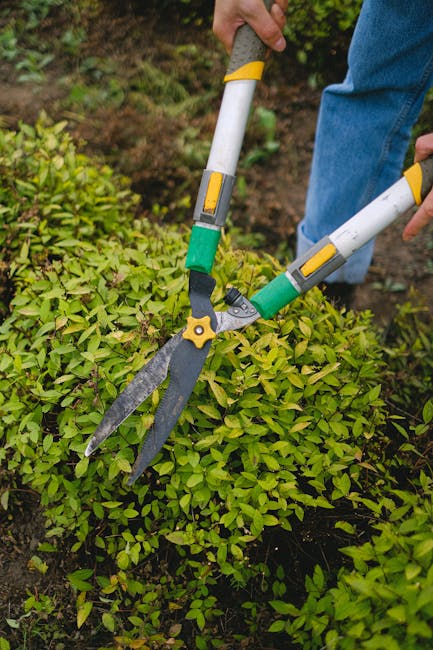
Garden maintenance near East Ham station top local gardeners: a practical local guide
If you live or work near East Ham station, you already know the little realities that shape a garden here: busy schedules, narrow access, patchy shade, wind that seems to arrive from nowhere, and weekends that disappear faster than you planned. That is exactly why garden maintenance near East Ham station top local gardeners is not just a search phrase, it is a sensible way to find help that actually fits local life.
This guide breaks down what garden maintenance means in everyday terms, how a local service typically works, what to expect from good gardeners, and how to choose the right help without wasting money or time. We will also cover common mistakes, useful seasonal advice, a comparison of maintenance options, and a few real-world scenarios that make the decision easier.
To put it simply: a tidy garden is easier to enjoy, easier to manage, and far less stressful when the work is done properly. And yes, sometimes the difference between "we should sort that soon" and "this looks brilliant" is one reliable visit from the right team.
Why Garden maintenance near East Ham station top local gardeners Matters
Gardens close to transport hubs and busy residential streets often face a slightly tougher mix of conditions than people expect. In East Ham, that can mean more foot traffic, less time to keep up with regular care, and outdoor spaces that need practical rather than fancy solutions. A neglected border quickly becomes a weed patch. A hedge left too long loses shape. Lawn edges vanish. Then the whole garden starts to feel bigger than it is.
That is where local maintenance becomes valuable. Top local gardeners understand the rhythm of the area: compact plots, urban shade, wind exposure, mixed soil conditions, and the need for efficient service visits. They are usually better at suggesting the right priorities too. For example, if your garden gets only a few hours of light, a maintenance plan should focus less on constant high-input planting and more on structure, pruning, mulching, and tidy, resilient planting.
There is also a trust angle here. When you are choosing someone nearby, you want a gardener who can turn up reliably, communicate clearly, and deal with the kind of practical jobs that make a visible difference fast. That may be hedge work one week, lawn recovery the next, then a seasonal tidy before the weather turns. No drama, just competence.
For a broader overview of what a regular service can include, it helps to compare this guide with the main garden maintenance service and the wider range of gardening services available locally.
How Garden maintenance near East Ham station top local gardeners Works
Most good maintenance arrangements start with a quick assessment. That might be a phone call, a site visit, or a message with a few photos. The gardener looks at the size of the space, what is growing, what is overgrown, and what needs attention now versus later. A decent provider will not just say "yes" to everything. They will help you separate urgent tasks from cosmetic ones. Honestly, that alone saves a lot of money.
A typical maintenance visit may include mowing, edging, weeding, hedge trimming, pruning, leaf clearance, border tidying, deadheading, and general waste removal. Some jobs are recurring; others are seasonal. If you have patio areas, decked sections, or hard landscaping, these can often be included in the same schedule if it makes sense for your garden.
The workflow usually looks like this:
- Inspect the space and identify the jobs that matter most.
- Agree the scope so you know what is included and what is not.
- Carry out the work using the right tools and safe access methods.
- Clear and finish so the garden is left tidy, not half done.
- Plan the next visit if the garden needs routine care.
What separates the better gardeners from the average ones? Usually it is detail. Clean edges. Even cuts. No rushed stripping of plants that should have been left alone. And perhaps most importantly, a sense of proportion. Not every garden needs a major overhaul. Sometimes it just needs proper maintenance, done well.
Key Benefits and Practical Advantages
The obvious benefit is that the garden looks better. But let's not stop there, because appearance is only half the story.
- Less stress - you are not staring at a list of weekend chores every time you open the back door.
- Healthier growth - regular pruning, mowing, and feeding help plants recover and perform better.
- Fewer pest and disease problems - clutter, shade build-up, and poor airflow often create avoidable issues.
- Safer access - clear pathways and controlled growth reduce trip hazards, especially after wet weather.
- Better use of small spaces - compact East Ham gardens benefit hugely from tidy structure and smart planting.
- Improved privacy - hedges and screening plants can be managed to provide cover without becoming unruly.
- More usable outdoor time - a maintained space is far more likely to be used, not just looked at through the window.
There is another practical gain that people overlook: maintenance preserves options. A garden that is kept under control is easier to redesign later, easier to replant, and easier to upgrade on a budget. Once everything has run wild, the first job is usually recovery. That is slower and more expensive. If you want ideas for a simpler, lower-effort approach, the article on stylish low-maintenance garden ideas is worth a look.
Who This Is For and When It Makes Sense
Garden maintenance near East Ham station makes sense for quite a few people, not just homeowners with large plots. In fact, some of the most useful maintenance work happens in smaller gardens where time and access are limited.
You may need this service if:
- your garden keeps slipping behind because work or family life gets in the way;
- you have hedges, borders, or lawns that need regular care rather than one-off rescue jobs;
- you have recently moved into a property with a tired or neglected outdoor space;
- you rent out a property and need the outside kept presentable;
- you have children or pets and want a safer, tidier garden;
- you want your outdoor space to look decent without spending every Saturday in it.
It also makes sense when a garden has one specific problem that keeps coming back. For example, ivy taking over a wall, a hedge growing thin in the middle, or a lawn that becomes patchy each year. A maintenance plan is often the quiet solution. Not glamorous. Very effective.
Families sometimes ask for help after the space has become too messy for outdoor play. Dog owners often need a mix of lawn care and boundary control, because muddy paths and chewed corners quickly spoil the feel of a garden. If that sounds familiar, the related article on balancing canine activity with garden growth may give you useful ideas.
Step-by-Step Guidance
If you are planning to book a local gardener, it helps to go through the process in a sensible order. That way, you are not guessing, and you are less likely to pay for work that does not solve the real problem.
- Walk the garden first. Look at it in daylight and note what is actually bothering you. Is it weeds, height, patchiness, blocked access, moss, ivy, or just general untidiness?
- Split the jobs. Put urgent work first: safety, access, and plant health. Then add cosmetic jobs. A garden can look good surprisingly fast once the basics are under control.
- Decide on frequency. Weekly, fortnightly, monthly, or seasonal visits all have different effects. Lawns usually need more regular attention than shrub borders. Hedges may only need seasonal cuts.
- Ask what is included. Waste removal, pruning, edging, and clearance can vary from one service to another. Get clarity early. Saves a headache later.
- Choose the right service mix. If your space has lawns, hedges, paving, or tired structural features, maintenance may need support from specialist services such as lawn mowing, lawn care, or hedge trimming.
- Schedule around seasons. Spring and autumn are often the most useful times for resets. Winter is about protection and tidying. Summer is usually about keeping pace.
- Review the results. After one or two visits, ask yourself whether the garden now feels easier to live with. That is the real test.
A small but helpful tip: take photos before the work starts. Not because you need a dramatic "before and after" for social media, but because it helps you and the gardener agree on what success looks like. Simple, really.
Expert Tips for Better Results
In our experience, the best-maintained gardens are not the ones with the most expensive plants. They are the ones with clear priorities and a repeatable routine. Here are the details that make a difference.
- Keep edges under control. A neat edge makes the whole garden look cared for, even before the larger jobs are finished.
- Do not overplant. People often cram too much into a small East Ham plot. The result is more shade, more competition, and more maintenance.
- Mulch after clearing. A good mulch helps suppress weeds and holds moisture. It also makes beds look finished, which is no bad thing.
- Prune for shape, not panic. If a plant has got too large, do not hack at it randomly. Prune with a plan.
- Watch airflow. Dense growth can trap damp. That is where fungal issues and moss often begin.
- Use the right maintenance rhythm. A little, often, tends to beat a huge tidy-up every six months.
- Think vertically in small gardens. If ground space is tight, use climbing plants, trellis, or compact screening. The piece on vertical gardening ideas is particularly useful for urban spaces.
One slightly overlooked point: maintenance and design should support each other. If a garden is a pain to maintain, that is often a design issue, not just a labour issue. You can improve the long-term result by choosing structure that fits the space. For example, evergreen screening can help if privacy is the main goal, while a simple zen-style corner can calm down a garden that feels too busy. There is a nice discussion of this in the rustic zen garden design guide.
Common Mistakes to Avoid
Most garden maintenance problems are not mysterious. They are usually the result of leaving things too long or treating every plant the same. Bit of a classic, really.
- Waiting until everything is overgrown. At that point, maintenance becomes rescue work.
- Cutting hedges at the wrong time. The wrong trim can spoil shape or reduce screening just when you need it most.
- Ignoring weeds while they are still small. Small weeds are quick to remove. Large ones become a weekend event.
- Using the wrong tools. Blunt blades and poor equipment make a clean finish much harder.
- Letting hard surfaces slide. Patios, paths, and decking can become slippery or stained if neglected.
- Overwatering in shaded areas. Many local gardens do not need as much water as people think, especially once the weather cools.
- Forgetting about structure. If shrubs, fences, or boundaries are left to deteriorate, the whole garden feels tired.
If you are dealing with ivy, do not underestimate it. It can become stubborn quickly and spread into places you would rather it did not. For a deeper look, see winning the battle against ivy.
Another common error is to assume one-off work is enough. Sometimes it is, but often the result fades quickly because the garden was never put on a simple maintenance cycle. A bit of continuity goes a long way.
Tools, Resources and Recommendations
A good gardener brings the tools, of course, but it still helps to understand what those tools are doing. That makes the whole process less vague and helps you ask better questions.
| Area of work | Useful tools or methods | Why it matters |
|---|---|---|
| Lawn care | Mower, edging tool, scarifier, aeration | Creates a cleaner finish and healthier grass over time |
| Hedges and shrubs | Secateurs, hedge trimmer, pruning saw | Supports shape, density, and plant health |
| Weed control | Hand weeding, mulching, cultivation | Stops small problems becoming large ones |
| Patios and paths | Surface cleaning, brushing, targeted clearing | Improves safety and appearance |
| General tidy-up | Rakes, waste sacks, shears, collection equipment | Keeps the work efficient and the finish clean |
As a homeowner, your best "resource" is often a simple notebook or phone note with the garden's recurring issues. For example: north border too shady, hedge goes wild by July, lawn thin near the fence, patio gets mossy after rain. That kind of practical record helps the gardener build a smarter maintenance plan.
If your garden feels like it needs a full reset, the article on garden makeovers for neglected plots is a very sensible companion read. For budget-conscious planning, the page on low-maintenance flair on a budget also fits the brief nicely.
Law, Compliance, Standards, or Best Practice
For most household garden maintenance, the key issue is not legal complexity but sensible practice. That said, there are a few things worth keeping in mind. Waste should be disposed of responsibly. Tools should be used safely. Access should be managed carefully, especially where there are uneven surfaces, wet paving, or shared boundaries.
If a gardener is working near fences, trees, or communal spaces, it is normal to expect a tidy and cautious approach. It is also reasonable to ask about insurance and safety procedures before any work starts. A professional business should be able to explain how it handles risk, access, and waste without sounding evasive. That transparency matters.
Best practice in the UK context usually means:
- working safely around slippery surfaces and sharp tools;
- protecting adjacent property and planting;
- keeping work areas clear and manageable;
- disposing of green waste properly;
- using appropriate techniques for pruning, hedge cutting, and lawn care;
- being clear about scope, timing, and expected results.
If you want reassurance on the provider side, it can be sensible to review pages like insurance and safety, health and safety policy, and terms and conditions. Those are useful trust signals when you are comparing local gardeners.
Options, Methods, or Comparison Table
Not every garden needs the same kind of maintenance. Some need routine cutting and clearing. Others need a stronger recovery plan. Here is a straightforward comparison to help you think it through.
| Approach | Best for | Pros | Watch out for |
|---|---|---|---|
| One-off tidy-up | Overgrown gardens, pre-sale jobs, seasonal resets | Fast visible improvement | May not solve recurring issues |
| Regular maintenance | Busy households, rental properties, small urban gardens | Steady control and less stress | Needs consistency |
| Targeted service mix | Gardens with specific problems like hedges or lawns | Efficient and cost-aware | Requires clearer planning |
| Full garden recovery | Neglected plots, heavily overgrown spaces | Big transformation potential | Can take more time and budget |
In many East Ham gardens, a blended approach works best. For example, you might begin with a one-off recovery, then move into monthly maintenance. Or you might have regular lawn care and hedge trimming, while the rest of the garden gets seasonal attention. That tends to feel realistic, and less overwhelming.
If your outside space includes hard surfaces, it can also make sense to pair maintenance with patio cleaning or even decking services if those areas need structural attention rather than just a sweep.
Case Study or Real-World Example
Here is a typical local scenario. A family living a short walk from East Ham station had a back garden that had been "temporarily ignored" for about a year, which, let's face it, is how most garden problems begin. The hedge had become patchy in places, the lawn had thinned near the fence, and the border was full of weeds that had quietly settled in and made themselves at home.
The first visit focused on clearing the worst growth, restoring the hedge shape, and bringing the lawn back to something manageable. The second visit dealt with edging, weeding, and boundary tidying. Then a simple schedule was set for ongoing care. Nothing fancy. Just practical work, done in the right order.
What changed? The family started using the garden again. Not because it became a show garden. Because it became usable. The children had a safe patch to play in. The adults stopped feeling guilty every time they looked outside. And that is a real result. Sometimes the best gardens are the ones that quietly make life easier.
For people tackling a similar situation, the article on helping gardens thrive amid weather challenges offers a useful mindset, especially in wetter or windier spells.
Practical Checklist
Before you book a gardener, run through this list. It keeps the conversation clear and prevents that awkward "I thought that was included" moment later on.
- Identify the main problems: lawn, hedge, weeds, borders, access, surfaces.
- Decide whether you need a one-off tidy or ongoing maintenance.
- Take a few photos of the garden before work begins.
- Note any awkward access, storage, or drainage issues.
- Ask what the service includes and what counts as extra.
- Check whether waste removal is part of the job.
- Ask how often the garden should ideally be maintained.
- Think about seasonal priorities, not just the current mess.
- Keep an eye on privacy needs, shade, and wind exposure.
- Review the result after the first visit and adjust the plan if needed.
A small extra check: if your garden is likely to be used by children or pets, make that clear from the start. It changes how a good gardener approaches the work, and rightly so.
If you want to understand more about the company behind the service, the about us page is a sensible place to start, and the pricing and quotes page can help you think through next steps without guesswork.
Conclusion
Choosing garden maintenance near East Ham station is really about choosing simplicity, reliability, and a better day-to-day experience. The right local gardeners do more than trim and tidy. They help the space work. That means safer paths, healthier plants, cleaner edges, and less background worry every time you step outside.
Whether your garden needs a careful reset, regular upkeep, or a smarter maintenance plan built around a busy life, the best approach is usually the one that matches how you actually live. Not how a perfect garden brochure says you should live. Real life. Real schedules. Real weather. All of it.
And if you have been putting it off for a while, that is normal. Most people do. The good news is that a manageable garden is usually closer than it feels.
Get a free quote today and see how much you can save.
Frequently Asked Questions
What does garden maintenance near East Ham station usually include?
It commonly includes mowing, edging, weeding, hedge trimming, pruning, leaf clearance, and general tidying. Some gardeners also handle patio or decking cleaning, depending on the scope.
How often should a garden be maintained in East Ham?
That depends on the size of the garden and how quickly it grows, but many spaces benefit from fortnightly or monthly attention during the growing season, with lighter seasonal work in winter.
Is a one-off garden tidy-up worth it?
Yes, especially if the garden has become overgrown or you are preparing to sell, let, or simply reset the space. One-off work can make a dramatic difference, although ongoing care is usually needed after that.
What should I ask before hiring a local gardener?
Ask what is included, whether waste removal is covered, how often the garden should be maintained, what equipment is used, and whether the gardener has insurance and clear safety procedures.
Can gardeners help with hedges and lawns as part of maintenance?
Absolutely. Those are two of the most common maintenance jobs. In many cases, regular hedge trimming and lawn care are the backbone of a sensible upkeep plan.
What if my garden is very overgrown?
That usually calls for a recovery visit before routine maintenance starts. The first job is often clearing access, reducing heavy growth, and getting the space back to a manageable state.
Are local gardeners better for small East Ham gardens?
Often yes, because they tend to understand the constraints of urban gardens: narrow access, shade, privacy issues, and the need to make every square metre count.
Do I need to prepare the garden before the visit?
Not much. Clear away obvious personal items, give access to gates or taps if needed, and mention any fragile plants or problem areas. A quick walk-through at the start helps.
Can maintenance include patio or decking care too?
Yes, if the gardener or service provider offers it. It is often useful to combine soft landscaping with surface cleaning so the whole outdoor area feels finished, not just the planting.
What is the difference between garden maintenance and landscaping?
Garden maintenance keeps the space in good condition. Landscaping changes the structure or layout more substantially. If you only need the garden kept tidy, maintenance is usually the right fit.
How do I know if I need lawn care rather than just mowing?
If the lawn is thin, patchy, mossy, or repeatedly stressed, it may need more than cutting. Lawn care can include feeding, aeration, scarifying, and recovery advice, not just mowing.
Where can I find more information about the service and next steps?
You can review the local service details, check pricing information, and use the contact page when you are ready to discuss your garden in more detail. A quick conversation usually clarifies a lot faster than guesswork.
Sometimes the best garden improvement is not a dramatic makeover, just a steady hand and a sensible plan. That is often enough.